

Essential Tools for Modern Small Business Success
October 27, 2025
The Time Management Strategy That Reclaims Your Productivity
October 29, 2025Harvard Graduates’ Hair-Braiding Robot Wins Top Prize in Startup Contest

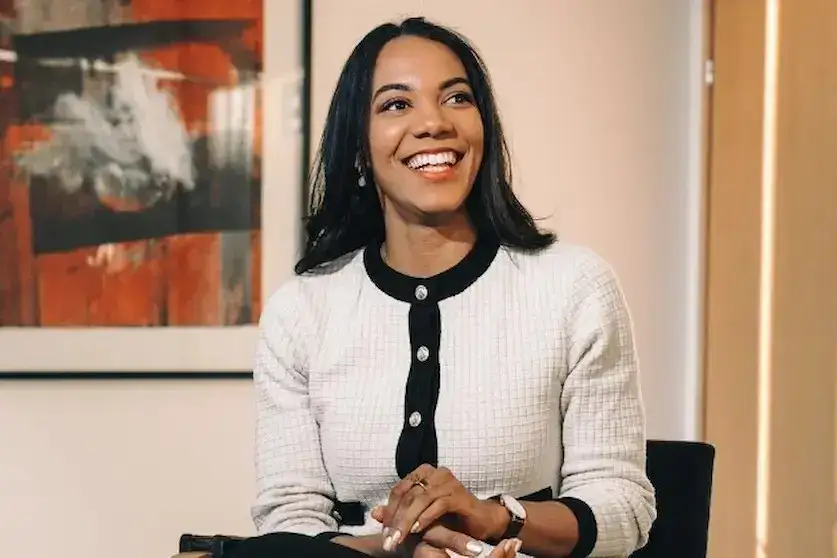
Harvard alumni Yinka Ogunbiyi and David Afolabi have won the top prize at Harvard’s 2025 President’s Innovation Challenge for HaloBraid, their groundbreaking robotic hair-braiding device — the first of its kind designed to automate protective styling.
HaloBraid won the $75,000 grand prize in the Alumni + Affiliates Open Track, beating out a competitive field of innovative ventures.
With the funding, the company plans to launch a pilot salon in Boston, allowing stylists and customers to experience the technology firsthand as the startup prepares for broader manufacturing and commercialization later this year.
Related Post: Middle Schooler Discovers Cancer-Fighting Compound in Goose Droppings
The Game-changing Technology Called HaloBraid
The 2025 President’s Innovation Challenge, hosted at Harvard, saw students and alumni from its 13 schools showcase groundbreaking ideas with the potential to transform industries. In the Alumni + Affiliates Open Track, the top honor and winner was awarded to the trailblazing HaloBraid.
The pitch drew attention by speaking to the experience that traditional hair braiders face today. Co-founders Ogunbiyi and Afolabi founded HaloBraid to address a familiar challenge for many Black women: the lengthy salon sessions required for braiding.
The device, resembling a cream-and-gold standing dryer, leverages machine learning to deliver professional-quality results 5x faster. HaloBraid slashes braiding time from almost 6 hours to just 30 minutes. This game-changing technology enables stylists to expand their clientele and boost their business, while clients reap the benefits of saved time and increased convenience.

HaloBraid’s founding team
“What if every time you got your hair cut, it took six hours, cost $200 to $300, and gave your hair stylist arthritis at age 2? This is what it’s like to get your hair braided. And I know this first hand because I’ve worn braids all my life,” shared HaloBraid CEO Ogunbiyi.
“Hair braiding is now the most popular hairstyle for 20 million Americans who experience this miserable process every eight weeks. And yet, braiding hasn’t seen innovation since braiding was invented 5000 years ago.”
Related Post: UK-Nigerian Scientists Contribute to Groundbreaking Diamond Battery Invention
How Does HaloBraid Work and Next Steps
The device is changing how we think about beauty, technology, and culture simultaneously. The robot is intended for stylists who start the braids, after which HaloBraid finishes them, cutting the process from an average of 6 hours down to just 30 minutes.
“Stylists start the braid. Halo finishes it. We reduce braiding time from hours to minutes, making braiding joyful, not painful, and allowing a stylist to grow their business without destroying our hands,” Ogunbiyi explained.
This innovation aims to make braiding faster, more efficient, and less physically taxing for stylists, who often suffer from repetitive stress injuries due to the labor-intensive nature of the work.
The device uses machine learning to achieve professional-quality results at five times the speed of traditional methods, with the team reporting that it has successfully completed thousands of braids, including Ogunbiyi’s own hair.
The machine learning device has already been put to use, successfully completing thousands of braids, including Ogunbiyi’s own hair. Over the last 18 months, the team has built over 450 prototypes, refining the robot to braid real human hair.
With the $75,000 prize, HaloBraid is set to open a Boston salon to pilot and scale the technology, ahead of wider manufacturing later this year. The company has opened a waitlist for stylists and salons interested in adding the robot to their arsenal once it is commercially available.
Related Post: Eniola Shokunbi: 12-Year-Old’s Air Filter Design Gets $11.5M Funding
“We’re excited to realize our mission of saving billions of hours spent braiding hair each year,” Ogunbiyi said. “And transform an industry that hasn’t changed in thousands of years.”
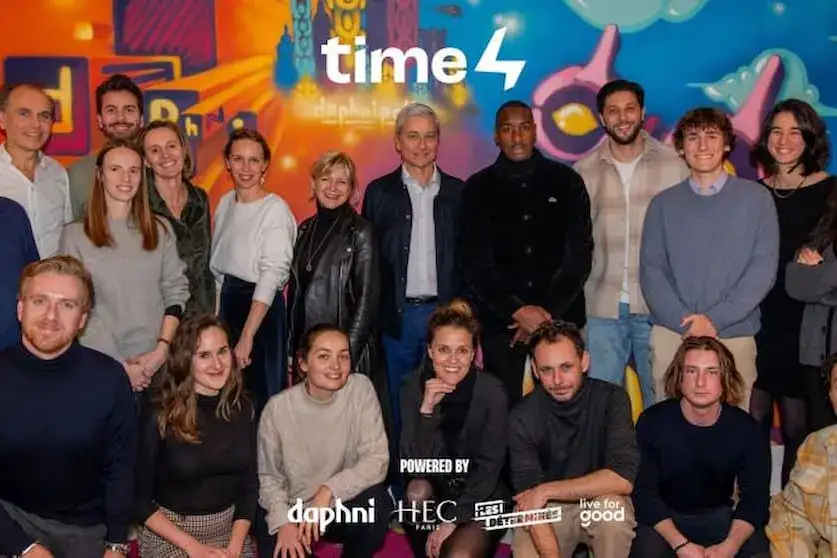
HaloBraid CEO Yinka Ogunbiyi and her co-founder David Afolabi, with other founding team members (Dan Pinnolis/Harvard Innovation Labs)