

Why Choosing Underconsumption is the Fastest Path to Freedom
December 16, 2025
How to Master Diverse Skills Without Burning Out
December 16, 2025
Coffee shops or cafes can mean more than just caffeine. It can be a meeting point, a pause, and a place to build. Long before coffee culture became a lifestyle aesthetic, Black spaces used cafés as sites for conversation, creativity, and connection.
Today, Black-owned coffee shops across the U.S. are reclaiming that role. These spaces are not trying to mimic corporate cafés or chase fleeting trends. Instead, they are building environments rooted in culture, memory, and community care. The coffee matters, but the purpose matters more.
Related Post: Kevin Hart’s Coramino Fund Hands Out Another Round of $10K Biz Grants
Sip & Sonder in Inglewood, California,
This cafe is one example of coffee shops in question. This space encourages rest, collaboration, and creativity. This is because community events, panels, and cultural programming are central, not secondary. Sip & Sonder also prioritizes ethical sourcing, working with producers of color whenever possible. Walking in feels grounding. You’re invited to stay.
Sip & Sonder was founded by two friends, Amanda-Jane Thomas and Shanita Nicholas. Both practiced law before choosing a community path through coffee. They met as colleagues in New York and shared a desire to build space for Black and Brown creatives.
Related Post: These 5 Habits Will Help You Achieve Financial Independence
Afro Joes Coffee & Tea
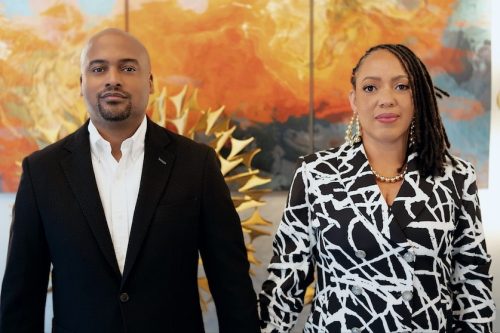
In Chicago, Afro Joes Coffee & Tea operates like a neighborhood living room. The energy is warm, familiar, and unforced. Known for rich espresso drinks, the café draws people back for how it makes them feel. Afro Joes is owned by Kendall and Aisha Griffin, a husband and wife team who turned family love and community pride into a coffee shop. They opened Afro Joes in Chicago’s Auburn Gresham neighborhood during the pandemic. Conversations here flow naturally. Regulars know each other. Newcomers feel welcome. Afro Joes centers comfort and connection without spectacle, proving culture does not need to be loud to be powerful.
Black Coffee FW in Fort Worth, Texas
The café is deeply tied to the east side of the city and reflects that history throughout its space. The events are designed to bring residents together across generations. Black Coffee FW does not extract from its community. It reinvests in it, becoming a cultural anchor rather than a commercial outpost.
Related Post: 10 Artisanal Chocolates For Xmas Treats
I Like It Black
In Harlem, I Like It Black stands firmly within the neighborhood’s cultural lineage. The café celebrates Black excellence without softening its identity. From its name to its atmosphere, every detail feels intentional. Creatives, locals, and visitors gather to reflect, meet, and recharge. Harlem’s history feels present, not packaged. The space resists gentrified sameness and honors the people who shaped the neighborhood.
Urban Grind
Urban Grind in Atlanta has long been a gathering place for conversation and community. The café balances casual energy with cultural purpose. It hosts events, discussions, and everyday moments of connection. People come to work, talk, and create together. Urban Grind understands coffee as a connector, not a luxury. Its longevity speaks to trust earned over time.
These coffee shops matter because they offer safety in public spaces. They allow people to show up fully, without performance. They support local economies while circulating culture, not just capital. In a world dominated by chains, these cafés resist erasure.
When you step into these spaces, you feel the difference. You are not just buying coffee. You are participating in community. And that is the real offering.