

How Gen Z Is Mixing Cultures in Fashion, Food & Music
December 12, 2025
Financial Planning for 2026: Steps to Build Your Money Blueprint
December 13, 2025
For many artists of color, the creative journey is rarely just about making art. Instead, it is often shaped by systemic barriers, limited access, and cultural exclusion. Even today, mainstream art institutions still struggle with representation, equity, and inclusion. As a result, many artists feel pressured to dilute their identities to be accepted.
However, a powerful shift is happening. Across cities and online spaces, creative collectives are rising. These groups are intentionally built by and for marginalized artists. They prioritize safety, affirmation, and cultural integrity. More importantly, they reject the idea that artists must compete to survive.
Creative collectives offer far more than shared studios or exhibition opportunities. They create ecosystems of care, collaboration, and collective growth. Through mentorship, skill-sharing, and community-led programming, these spaces help artists thrive on their own terms.
Related Post: Two-Year-Old Ghanaian Artist Ace-Liam Wins 2025 Global Child Prodigy Award
Additionally, many collectives center healing, wellness, and social justice. They understand that creativity does not exist in a vacuum. It is deeply connected to identity, history, and lived experience. By acknowledging this, collectives become spaces where artists can create freely and authentically.
Below are creative collectives and organizations actively building safer, more inclusive spaces for artists of color. Each one demonstrates how community-centered creativity can reshape the art world.
Art Hoe Collective
Art Hoe Collective is an online platform celebrating creatives of color. It amplifies digital art, photography, and illustration. Additionally, it offers resources and visibility for emerging artists. Most importantly, it fosters belonging in online creative spaces.
Black Artists + Designers Guild (BADG)
BADG is a global platform supporting Black artists and designers. It focuses on equity, access, and professional development. Through exhibitions and partnerships, BADG increases visibility across creative industries.
The Colorization Collective
The Colorization Collective supports teen artists of color through mentorship. It operates local chapters across the United States. Additionally, it provides tools for creative and personal development.
Related Post: Timbaland Launches AI Music Company Stage Zero, Debuts TaTa as First “A‑Pop” Artist
Ethel’s Club
Ethel’s Club blends creativity, wellness, and conversation for people of color. It exists as both a physical club and digital platform. Through events and gatherings, it centers rest and community.
Harriet’s Apothecary
Harriet’s Apothecary is a collective of Black healers and artists. It creates spaces for restoration through performance and healing practices. Importantly, it connects creativity with ancestral knowledge.
Las Nietas de Nonó
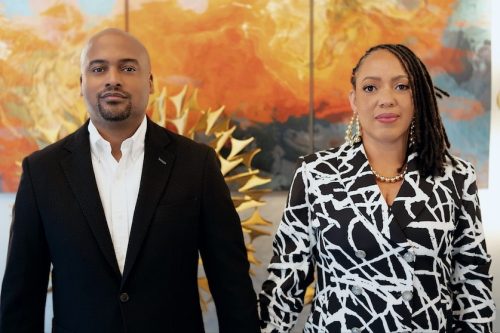
Las Nietas de Nonó is an artistic performative duo composed by afro-diasporic siblings Mapenzi Chibale and Mulowayi Iyaye. In their creative process, they evoke ancestral memory through personal archives and incorporate performance, found objects, organic materials, ecology, fiction, video, and installation.
Related Post: Jamaican Reggae Artist Creates Album With Unexpected Twist
Project Row Houses
Project Row Houses uses art for community transformation in Houston. It offers exhibitions, residencies, and housing initiatives. Furthermore, it proves art can drive social change.
Tessera Arts Collective (TAC)
Tessera Arts Collective supports abstract women artists of color. It provides exhibitions, mentorship, and advocacy. Consequently, it expands who gets seen in abstract art spaces.
The Underground Museum
The Underground Museum elevates BIPOC art and cultural dialogue. It challenges traditional museum models. Instead, it centers community, education, and shared ownership.
The Laundromat Project
The Laundromat Project places art in everyday community spaces. It collaborates directly with artists of color. Through this, art becomes accessible and rooted in lived experience.
Collectively, these organizations challenge exclusion in the art world. They replace gatekeeping with access. They replace competition with collaboration. Most importantly, they allow artists to create without compromise.
By centering care, culture, and community, creative collectives prove something essential. When artists feel safe, creativity expands. When voices are valued, culture thrives.