Spiro Raises $215M to Expand Electric Vehicle Operations Across Africa
June 3, 2026
MacKenzie Scott is Poised to Become the Largest HBCU Donor In History
June 4, 2026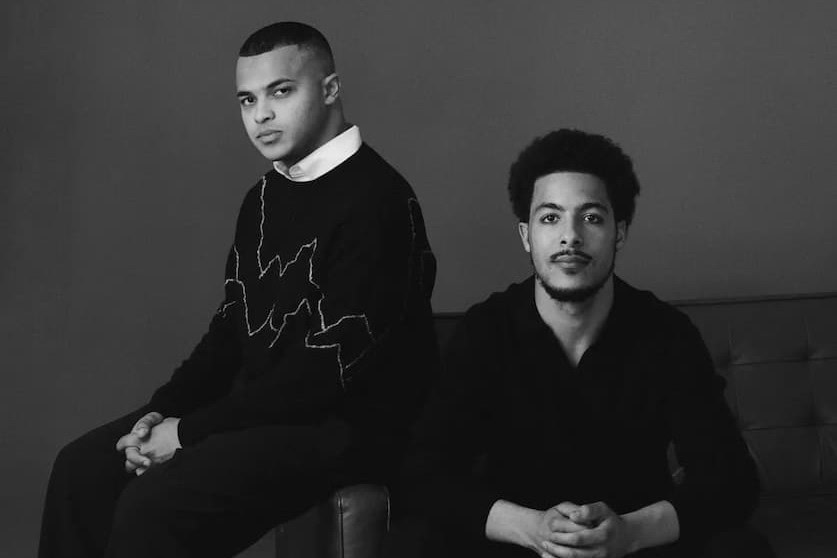
Black-led startups saw their strongest fundraising quarter since mid-2022 in Q1 2026, driven largely by a handful of standout deals, according to new data from Crunchbase News.
For the first time in nearly four years, Black startup founders are seeing a meaningful uptick in venture capital. This is a rare bright spot in an otherwise bleak funding landscape for underrepresented entrepreneurs.
Startups with a Black founder or co-founder raised $643 million as of late May 2026, with the majority of that funding coming in the first quarter. According to Crunchbase, this marks the most raised in a single quarter since Q2 2022, when Black-founded companies secured $653 million.
The milestone arrives after years of steep decline. In 2025, only around $942 million, or just 0.32% of total U.S. venture funding, went to startups with a Black founder or co-founder. That’s one of the lowest shares in recent years, and down more than two-thirds from just three years prior.
Still, the contrast with the broader market is stark. The $643 million raised so far this year remains a small fraction of the $252 billion raised by all U.S.-based startups in 2026.
Related Post: Lightrock Raises $500M Fund to Back Clean Energy Access in Emerging Markets
The Deals Driving the Numbers
The relatively strong quarter was largely driven by an outsized round, a $350 million Series E raise in February by Palo Alto-based SambaNova. They are an AI chip startup co-founded in 2017 by chief technologist Kunle Olukotun. Cambium Capital Partners and Vista Equity Partners co-led the raise, and Intel reportedly increased its stake in the company to 8.2% following the investment. SambaNova has now raised a total of $1.5 billion in known funding and specializes in providing infrastructure for AI and machine learning applications.
Beyond SambaNova, several other Black-founded companies closed notable rounds as well,
Novig, the New York-based sweepstakes sports prediction platform, raised $75 million in a February Series B led by Pantera Capital, valuing the company at $500 million. The platform enables users to participate in peer-to-peer wagering on sporting events.
Harper, San Francisco-based company that is building an AI-native insurance brokerage for small and mid-sized businesses, raised a $47 million Series A led by Emergence Capital in February. The company is a Y Combinator alumnus.
Related Post: Posh Raises $37M Series B to Expand Social Event Platform
Posh, the live events platform, raised a $37 million in Series B funding in March, led by FirstMark.
GovDash, the AI-driven government contracting software company, raised $30 million in a January Series B co-led by BCI and Mucker Capital.
Across all 2026 deals so far, the $643 million was secured across just 34 deals. This is signaling larger deal sizes overall rather than broad-based activity.
A Long Way From the Peak
The 2026 uptick comes after years of retreat from the promises made following the racial justice movement of 2020. In 2021, investment in Black startup founders hit a high of $5.2 billion, but even at the peak, that represented just 1.5% of total U.S. venture funding.
Henri Pierre-Jacques, managing partner at Harlem Capital, points to a shifting political climate as a key driver of the decline. “There are fewer conversations on the topic as many are afraid to speak on it directly, which is concerning,” he said.
Related Post: YC-backed Harper Raises $47M to Build AI Insurance Brokerage
Tanvi Lal, co-founder of VC Unleashed and an investor with Intuit Ventures, finds the numbers particularly frustrating given who is driving AI adoption. Research shows that Black Americans are more active consumers of AI tools than the general population, with a reported 53% using such tools daily or weekly, versus 39% of people overall. “To me, this shows early signals that the investment cycle creating wealth from AI is not flowing back to the communities using AI the most,” she said.
Relationships Are Everything
For Black founders navigating today’s funding environment, investors and founders agree that community and networking have never been more critical. “In an age of AI, who you know matters more than ever,” Pierre-Jacques said. “There are fewer deals getting done by firms and partners. You have to build personal relationships in order to make it to the top of the stack.”
Joah Spearman, a two-time founder currently raising for his fintech startup TenYour, echoes that sentiment, and offers practical advice. He recommends that Black founders attend industry-specific conferences like Money 20/20 or ITC to connect with investors “months and sometimes years before you’re ready to raise,” and to remain open to non-traditional funding paths like accelerators. TenYour participated in Northwestern Mutual’s accelerator in 2025, which resulted in both an investment and industry connections.
While Q1 2026 offers a glimmer of hope, the broader picture remains one of persistent inequality. The question now is whether this quarter represents the start of a real reversal. Or, just another outlier driven by a single blockbuster deal.
Main Image: POSH founders, Avante Price and Eli Taylor‑Lemire. Image Credit: Posh
Join the UrbanGeekz community for the latest in tech, innovation, entrepreneurship, culture, and opportunities. Subscribe here.