S. Epatha Merkerson Among Honorees at Black Women In Film Network’s 2026 Summit
March 23, 2026
Posh Raises $37M Series B to Expand Social Event Platform
March 23, 2026
Nigerian musicians earned a record $43.92 million from Spotify streams in 2025, up 140% in just two years. First-time listeners discovered a track from a Nigerian artist 1.3 billion times during the year, signaling just how far Afrobeats has traveled.
The figures come from Spotify’s annual Loud & Clear report, released earlier this month as part of broader efforts to increase transparency for artists and fans.
Still, the growth comes with caveats. Spotify has drawn criticism for its regional payout model, which ties artist earnings to the value of streams in the listener’s market. For Nigerian artists whose fan bases are concentrated in lower-subscription markets, that can mean a sizable gap between cultural impact and actual payout.
Growth For Nigerian Artists
Nigerian music has been making waves in the industry for the last decade, and this year is no different. In 2025, Nigerian musicians amassed 30.3bn streams and 1.6bn listening hours. Collectively, this amounted to Nigerian artists taking home over ₦60 billion (approximately $44 million).
The appreciation for Nigerian artists was both foreign and local. According to the report, Nigerian artists populated over 80% of the platform’s Daily Top 50 in Nigeria. Streaming of local artists also increased by 170%, signifying a growing passion for listening to domestic talent. In addition, it was reported that independent Nigerian artists received 58% of all Spotify royalties in the country. Nigerian musicians are opting to own the rights to their music rather than signing with record labels.
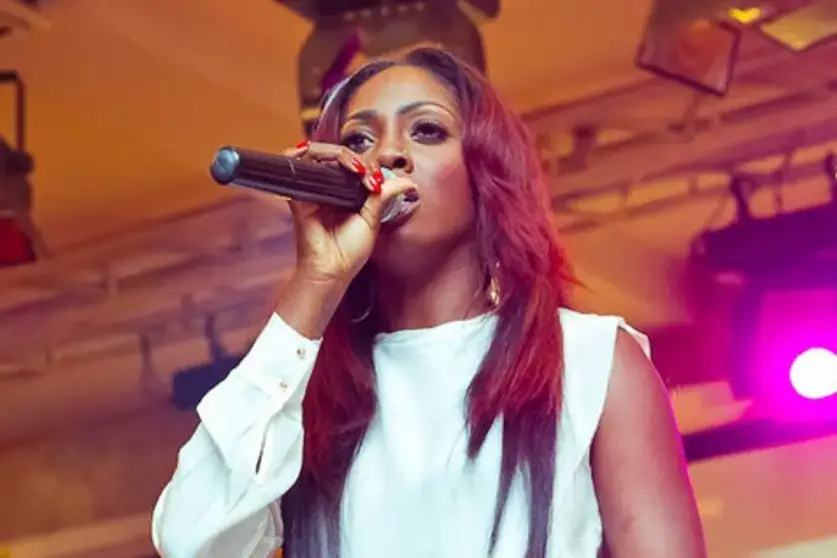
Afrobeats star and fashion icon Tiwa Savage
Jocelyne Muhutu‑Remy, Spotify’s Managing Director for Africa, said Nigeria’s music scene continues to break the mold.
“Nigeria’s music story continues to be one of creativity, innovation, and global cultural influence. What we’re seeing is a market where talent is not only reaching new audiences around the world but also building deeper connections at home,” she said.
Related post: Afrobeats Star Tiwa Savage Launches Foundation to Support Emerging African Artists
Inequality in Spotify Payouts
Despite the 140% increase in revenue for Nigerian artists, Spotify’s regional payout scheme means that they’re still earning significantly less than their Western counterparts.
In an interview on the Afrobeats Intelligence podcast, Muyiwa Awoniyi, Tems’ manager, brought attention to the discrepancy. One million streams in Nigeria earns $300, while the same number of streams in Sweden, Spotify’s home country, earns between $8,000 and $10,000.
“It is ₦900 to subscribe to Spotify, and Spotify treats things territorially, a lot of people don’t know this by the way…I always knew that if my IP is anchored to a region where 1 million streams is $300, I’m cooked,” Awoniyi said.
Related post: SHAXI and YEA Launch Youth Jobs Initiative Across Ghana
Spotify’s Business Model
The disparity in income for Spotify artists can be attributed to the platform’s regional payout structure. Today, in Nigeria, a Spotify subscription costs ₦1,600 per month (approximately $1.04). In Sweden, the same subscription costs around $11.80. Spotify tailors its subscription fees to local economies to make the platform accessible. However, this creates a significant problem for African artists.
Spotify uses a pro-rata payment model. It collects subscription fees and ad revenue from all users in a given country, then divides that pool among artists based on their share of total streams in that market. This means the value of a stream is directly tied to the listener’s location.
A premium subscriber in the U.S. generates more royalty revenue than a premium subscriber in a lower-income country. For African artists whose fan bases are concentrated in markets with lower subscription fees and higher free-tier usage, this model structurally limits their earnings.
Related post: Spotify to Expand Services Across Africa
Outlook for African Artists
In 2025, Spotify paid out $11 billion to artists and record labels globally. Yet only $43.92 million — just 0.39% — went to Nigerian artists. Afrobeats may be loved internationally, but the artists making the music are not seeing the returns they deserve. Without fair compensation, building local infrastructure and investing back into their communities remains out of reach.
As Spotify faces mounting pressure and calls for boycotts from artists and fans, the platform may be forced to reconsider its business model to ensure fair compensation for African artists.
Main Image: Artists on the stage at The Headies Awards (2022) photo credit Jerome Dorn